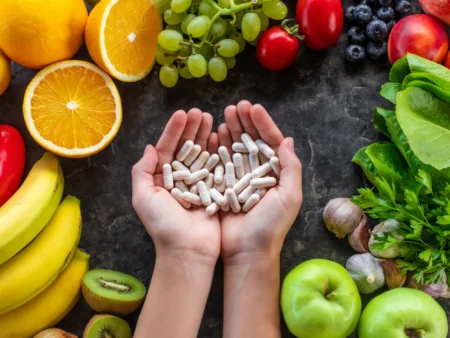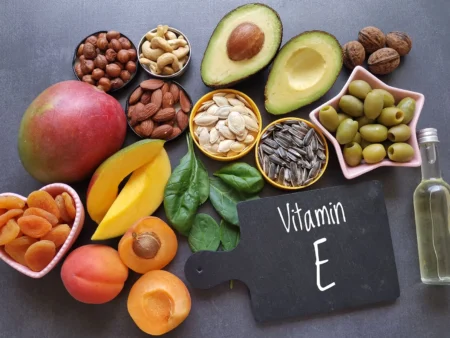
Quercetin is a plant pigment belonging to the flavonoid group, found in large quantities in fruits and vegetables. It has a pronounced antioxidant effect and protects cells from premature damage. Furthermore, it strengthens the immune system, helps the body fight free radicals that cause cancer, and is involved in muscle tissue recovery after physical activity.
Here’s what you need to know about this antioxidant to maintain health and fitness:
- Quercetin is a natural flavonoid with pronounced antioxidant properties;
- Its main sources are fresh vegetables and fruits;
- As a supplement, it is best combined with fat and vitamin C;
- In sports, it is used to maintain physical fitness and improve recovery;
- Before long-term use or if you have a chronic illness, consult a doctor.
Detailed information on the benefits of quercetin can be found in published studies in the journals Nutrients and Frontiers in Immunology. They describe the biological effects of flavonoids, particularly this plant pigment. Let’s consider which foods contain the highest amounts of quercetin, how much quercetin a person needs, and whether there are any contraindications for its use.
The Benefits of Quercetin
Basic information on the benefits of quercetin:
- The pigment has pronounced anti-inflammatory potential. It affects cytokines—molecules that trigger inflammation.
- It helps support cardiovascular health. Scientific studies show that the flavonoid stabilizes blood pressure and helps strengthen vascular walls, thereby reducing the risk of heart attacks and thrombosis.
- Quercetin is also beneficial for the intestines. It helps maintain barrier function, reduces inflammation affecting the mucous membrane, and has a positive effect on the microflora.
Those who actively take quercetin also report an overall improvement in digestive function. The pigment helps to obtain more nutrients from the foods they eat. This is especially important during recovery after physical activity, training, and particularly during a calorie-deficit diet.
A Sport Life trainer comments: “A balanced diet is key during the recovery period. The body needs to be fully supplied with proteins, fats, carbohydrates, vitamins, and antioxidants. Otherwise, the body will not have time to recover in time for the next workout, which will negatively impact results.”
Foods high in quercetin
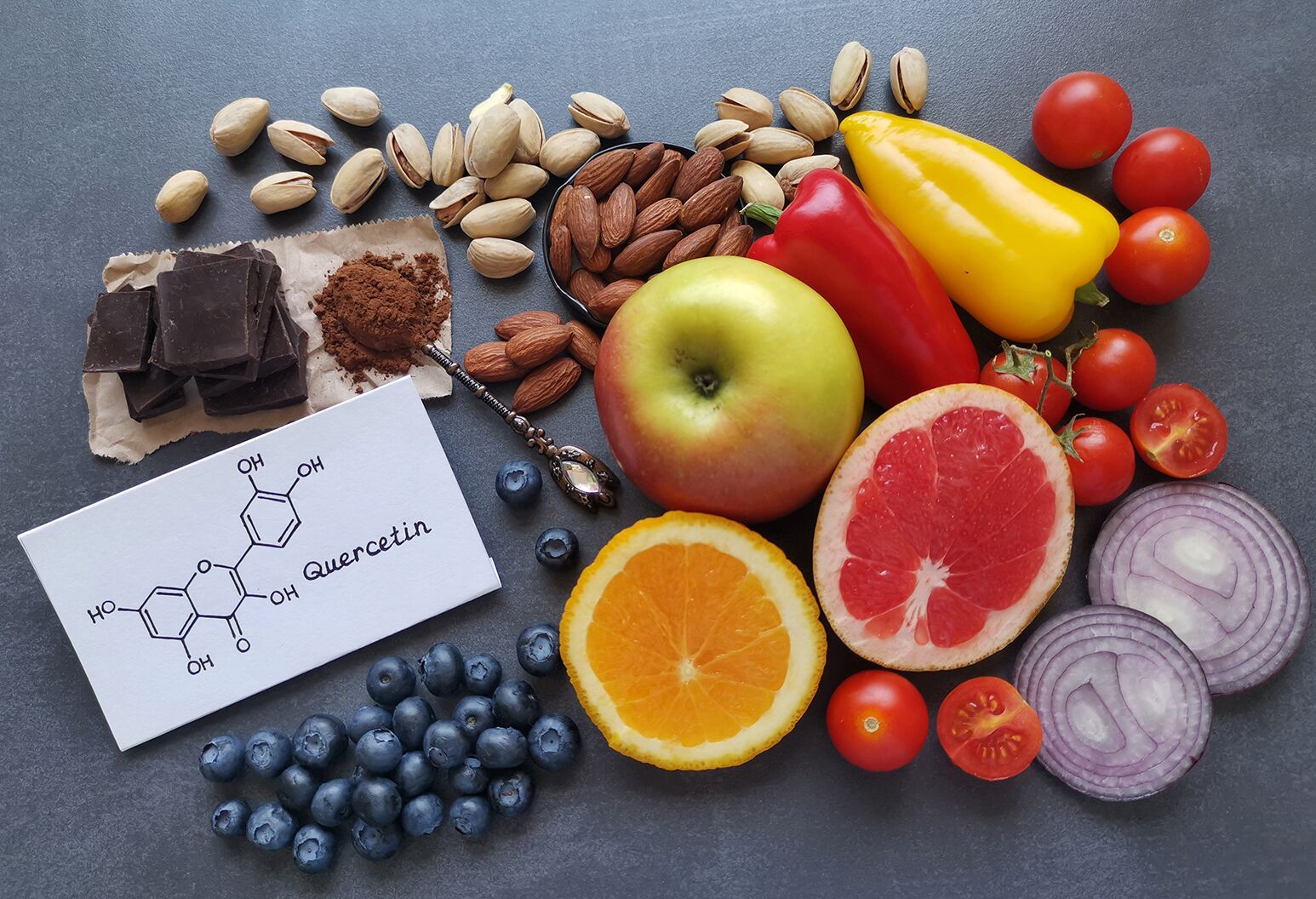
Foods high in quercetin include red and yellow onions, apples (primarily the peel), blueberries and other berries, broccoli, cabbage (both white and red), and green tea. It’s important to note that cooking destroys a significant portion of the flavonoids in these fruits and vegetables. How can they be preserved? It is recommended to follow the following tips:
- Use minimal heat treatment;
- Instead of simmering for long periods, choose simmering;
- Include fresh fruits and vegetables in your diet;
- Eat fruits and vegetables with the peel (if the product is environmentally friendly).
On average, a person gets 10 to 100 mg of quercetin daily from their diet. However, to achieve a noticeable therapeutic effect, nutritionists sometimes recommend increasing the dosage to 1000 mg. It’s quite difficult to obtain this amount from basic foods, so the most convenient way to compensate for the deficiency is with specialized dietary or sports supplements.
Which quercetin is best and how to choose a form
This flavonoid is available in the following forms: capsules or tablets, powders (sachets, for dissolving in water, in drinks), vitamin C complexes, and other options with increased bioavailability (for example, quercetin phytosomes).
It’s important to note that flavonoids generally have a low absorption rate. To increase bioavailability, it’s recommended to combine fresh foods and vegetables with vitamin C and fats, or choose modified forms with improved absorption. However, it’s important to maintain a balanced diet with sufficient carbohydrates, fats, proteins, and electrolytes.
Which quercetin is best? When choosing a supplement, look for a quality certificate and the absence of extraneous ingredients (except fatty acids and ascorbic acid).
How and in what quantities should quercetin be taken?
How long should quercetin be taken? A basic course typically lasts 4 to 8 weeks, followed by a break of at least 1 month. Long-term use should always be discussed with your doctor.
Quercetin can be taken during periods of intense training, competition preparation, and recovery. The recommended adult dosage is 500 to 1000 mg per day, divided into two doses. It’s best to take it with food to enhance bioavailability.
“We recommend considering sports and nutritional supplements as part of a comprehensive approach. A balanced diet, adequate sleep, and a well-designed training plan are also essential. Sports nutrition complements, but does not replace, a healthy lifestyle.”
Contraindications and Possible Limitations
The main contraindications to quercetin include individual intolerance (extremely rare), pregnancy or breastfeeding, and chronic liver or kidney disease. In the latter case, any dietary supplements should be taken with a doctor’s approval.
Before taking quercetin, please be aware that it may affect metabolic processes in the body. For example, it may increase the bioavailability of anticoagulants and antibiotics. Therefore, it is also necessary to consult a specialist when taking any medications.
At our Sport Life sports center, our trainers understand the importance of proper recovery and individual adaptation of your training schedule. This requires taking into account your individual physiological characteristics and current fitness level. Therefore, we recommend attending individual or group training sessions, where a specialist will provide the necessary attention to each participant. You can book a Sport Life membership directly on our website. Any questions? Leave your contact information in the contact form, and we will contact you.