Briefly about the main thing:
- Vitamin P is a plant-based flavonoid;
- its primary role in the body is to strengthen blood vessels and capillaries;
- it has a pronounced antioxidant effect;
- it is often used in combination with vitamin C;
- it is found in foods such as buckwheat, berries, and citrus fruits.
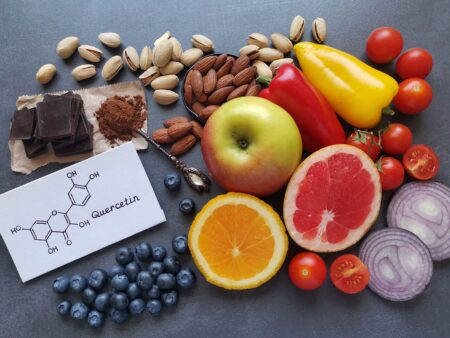
Vitamin P (also known as rutin) is a group of plant flavonoids that influence blood vessel permeability. Scientists now note that rutin is not a vitamin in the strict sense. It is a group of biologically active compounds formed in plants during photosynthesis and metabolism. Chemically, it is a glycoside of the flavonoid quercetin, a polyphenol. So, what are its benefits for the body? Which plants contain the most rutin?
General information about vitamin P
Why is rutin important for the body? It helps protect vascular walls, maintains microcirculation in capillaries, and also has antioxidant activity. Furthermore, this flavonoid helps fight free radicals and plays a role in suppressing inflammatory processes. A detailed description of rutin’s antioxidant and protective properties is presented in publications in the scientific journals Nutrients, Frontiers in Pharmacology, and Phytotherapy Research. Recent studies show that the vitamin is capable of reducing the rate of oxidative processes, and at the same time, it supports endothelial function (regulation of blood vessel tone).
“For people who actively and intensely train, it’s important to maintain cardiovascular health to stay in shape. A diet rich in flavonoids, including rutin, is an important preventative measure.”
The benefits and harms of rutin for the body
The benefits and harms of rutin are entirely based on the compound’s antioxidant and endothelial properties. The positive effects of its use include:
- Comprehensive support for the cardiovascular system;
- improved microcirculation in capillaries, particularly in the brain;
- strengthened antioxidant defenses;
- stabilization of inflammatory processes, their slowing and lessening.
Potential side effects of rutin: gastrointestinal discomfort may occur; it affects the bioavailability of certain medications; and, in very rare cases, allergic reactions may occur. Excessively high doses may cause hypertonicity and increased blood pressure.
The effects of vitamin P are enhanced when combined with ascorbic acid. Therefore, it is recommended to choose food supplements or multivitamins that contain both of these substances.
“Any nutritional or sports supplements are only effective when combined with a balanced diet and a healthy lifestyle. Otherwise, they are simply not absorbed, provide no positive effect, and don’t improve your workout performance.”
Does rutin thin the blood?
There is often talk that rutin thins the blood. Vitamin P is not a direct anticoagulant, but it can have a moderate effect on platelet aggregation. This means that blood clotting is reduced, but the effect is significantly less than with similar medications. Including rutin in your diet is beneficial for those with chronic cardiovascular disease, but it is important to consult a doctor before using it.
What foods contain rutin?
What foods contain rutin? It is found in the highest concentrations in:
- Buckwheat;
- citrus fruits;
- black currants;
- cherries;
- green tea;
- rose hips.
However, to preserve vitamin P in these foods, the following rules must be followed: ensure minimal heat treatment, avoid prolonged boiling (preferably stewing), and store fruits and vegetables away from ultraviolet light, as it accelerates oxidation. A balanced diet ensures sufficient rutin intake from the diet. However, a short-term increase in dosage up to 1000 mg is permissible to achieve a therapeutic effect.
It’s also worth noting that the bioavailability of vitamin P from food and supplements varies. Rutin, found in berries, buckwheat, and citrus fruits, is absorbed much better. Therefore, supplements should only be included in the diet if maintaining a balanced diet is impossible for some reason.
How to take rutin correctly
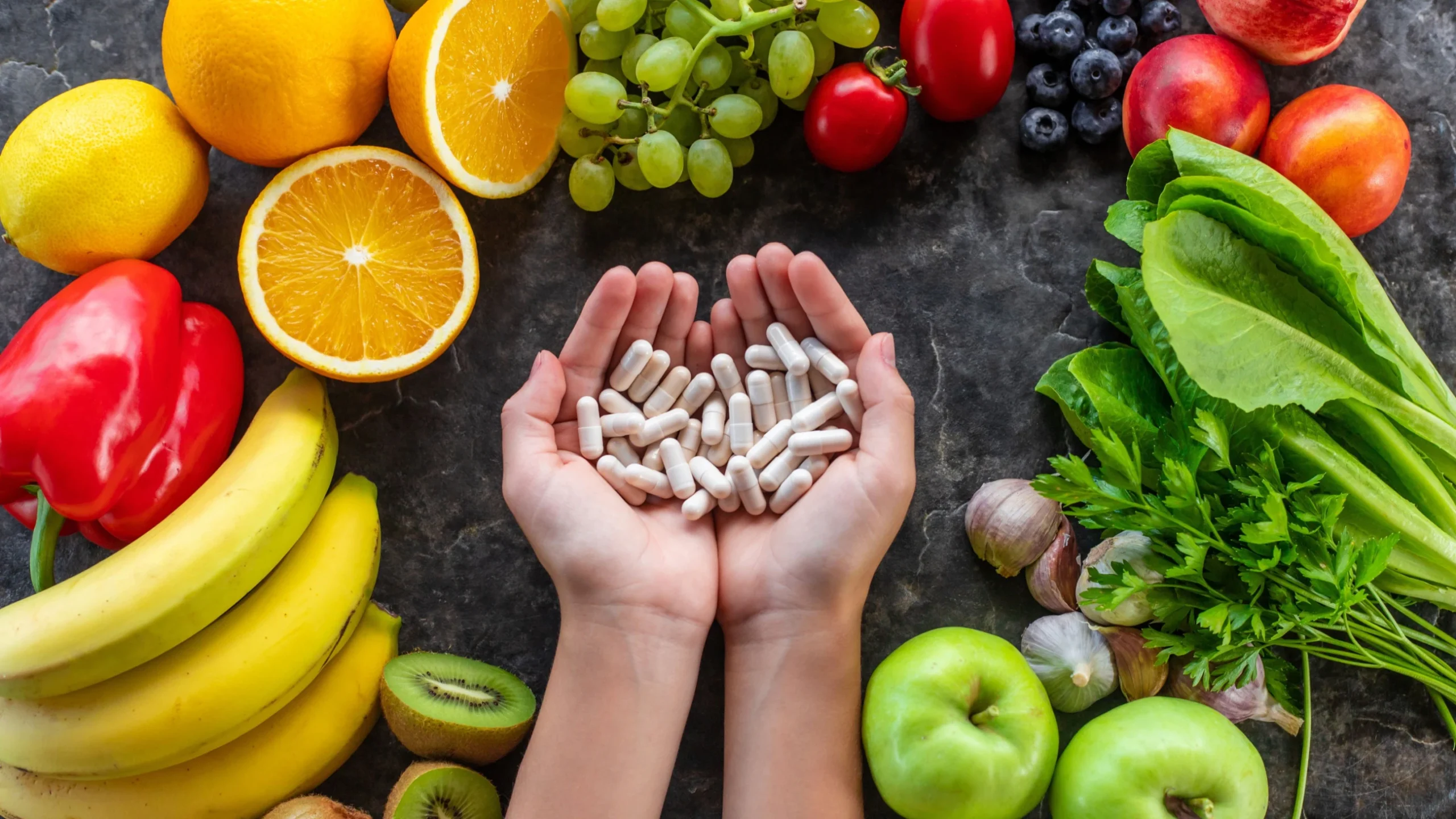
Rutin as a dietary supplement is available in tablets, capsules, and multicomponent mixtures. The basic recommended daily dose is 250 to 500 mg, with a course of treatment lasting up to 6 weeks, followed by a mandatory break. How to take rutin? Regardless of meal schedule, it’s best to combine it with vitamin C: this improves bioavailability and enhances its beneficial properties.
Contraindications and other restrictions
Contraindications for taking rutin: Contraindications with other anticoagulants—medications that affect blood clotting. Caution should also be exercised when taking it concurrently with antioxidants; in such cases, it is recommended to consult a doctor.
Vitamin P is contraindicated during the first trimester of pregnancy, in those with a tendency toward thrombosis, and in cases of individual intolerance. It is essential to consult a doctor before taking it if you have varicose veins or chronic cardiovascular disease.