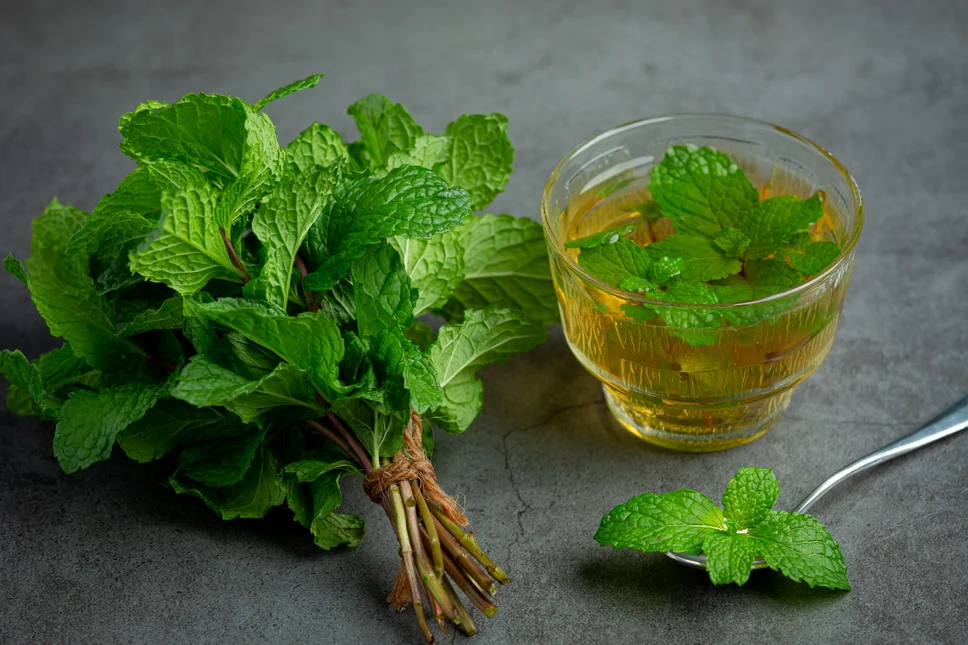
Mint is a plant with an ancient and fascinating history, surrounded by numerous beliefs and traditions. In ancient Greece, Rome, and Egypt, it was revered for its unique properties of bringing good luck, maintaining fortitude, and setting the right mood for great deeds. It is included in traditional tea recipes consumed in Tunisia, Libya, Algeria, and Morocco—the plant’s leaves are brewed with green tea, creating a healthy, thirst-quenching drink. Let’s explore the other properties of this plant, how to properly prepare this tea, and who benefits most from it.
Mint — What is this plant and what are its properties?
Mint is an ancient plant and belongs to the genus of plants in the Lamiaceae family. This spicy, aromatic plant contains a high concentration of essential oils and tannins, which are valued in medicine, cosmetology, and cooking.
Main active ingredients:
- Menthol is the main biologically active ingredient;
- essential oils, including menthone and limonene;
- flavonoids and organic acids.
All these substances provide a complex effect on the body and demonstrate the main benefits of mint, which are:
- Relaxes smooth muscles, relieving spasms;
- Gently calms the nervous system;
- Improves bile flow and stomach function;
- Reduces bloating and gas;
- Eases discomfort from overeating and stomach heaviness;
- Reduces feelings of tension, anxiety, and stress.
You don’t need to drink large quantities of strong tea to reap the beneficial effects. Even a weak decoction or mint water will have a good effect thanks to the high concentration of active ingredients.
Mint Tea: Health Benefits
The US National Institutes of Health conducted research on the plant’s effects on gastrointestinal function and found it to be a safe, effective herb that reduces symptoms of IBS (irritable bowel syndrome).
What are the benefits of mint tea for the stomach and intestines?
- Relieves spasms that cause discomfort or pain;
- Reduces bloating and distension;
- Facilitates the digestion of dense and fatty foods;
- Helps eliminate feelings of heaviness or fullness;
- May reduce nausea, especially due to overeating or stress;
- Calms bowel function in cases of an unbalanced diet.
Mint can’t be said to have medicinal properties, and it certainly doesn’t replace treatment protocols for gastrointestinal diseases, but it does help alleviate unpleasant symptoms.
Mint for Gastritis
Its effect on gastritis is not always clear-cut, so it’s important to consider the benefits and potential risks for people treating this condition and following a diet:
When it can be useful
For gastritis with low acidity, this tea can truly support digestion. It acts gently, doesn’t irritate the mucous membrane, and helps cope with discomfort after eating. It helps with slow digestion, when food takes a long time to feel full.
When is it contraindicated?
It may have a different effect on those with high acidity or gastroesophageal reflux. The relaxing effect extends to both the stomach and the lower esophageal sphincter—the muscle that holds the stomach contents in. In this case, drinking the tea may cause heartburn, a sour taste in the mouth, and an exacerbation of unpleasant gastrointestinal symptoms.
Mint’s Effect on the Heart and Blood Pressure
Mint has a mild vasodilatory effect, which relaxes blood vessels and improves blood flow. This effect is beneficial for people with hypertension, as the tea supports normal cardiovascular function and improves overall well-being. Therefore, it’s worth taking a closer look at frequently asked questions about the plant’s effect on the heart and blood vessels.
Does mint raise or lower blood pressure?
It’s not considered a drug that dramatically changes blood pressure. However, due to its relaxing effect, it can lower it slightly. This effect is achieved by menthol, which promotes vasodilation. As a result, blood circulates more freely, tension in the vascular system decreases, and blood pressure drops slightly. The effect is moderate and short-lived, and it doesn’t replace treatment for hypertension.
Is mint bad for the heart?
For healthy individuals, it is not considered harmful to the heart when consumed in moderation. It does not disrupt heart rhythms or put stress on the heart muscle. However, excessive consumption or individual sensitivity may cause feelings of weakness and exacerbation of symptoms associated with pre-existing blood pressure issues.
How mint affects blood and hormonal balance
Regular use affects deeper processes in the body than simply relieving nervous tension and gastrointestinal discomfort. Over time, with consistent tea consumption, it gently influences blood circulation and female hormonal balance.
How mint affects blood
It does not directly affect blood composition, but it does influence how blood moves through the vessels. Blood flow becomes more free, microcirculation improves, especially for those prone to cramps, and the feeling of heaviness, including in the lower abdomen during menstruation, is reduced.
Specifics during hormonal changes
Mint contains flavonoids and plant compounds with estrogen-like effects, which gently influence hormonal balance – reducing the severity of PMS, alleviating irregular cycles, reducing hot flashes during menopause, and partially reducing androgen levels in cases of excess.
“When it comes to mint and hormonal balance, it’s important not to overestimate its benefits. Yes, this tea can gently influence overall well-being—reducing stress and promoting relaxation, which in turn influences hormonal balance. But it’s not a hormonal balancer. If you experience regular cycle irregularities or severe symptoms, it’s worth consulting a specialist to determine the cause.”
Mint Tea: Contraindications and Potential Risks
Mint infusions and teas are considered safe and generally have no strict restrictions on use. The only possible causes of adverse symptoms are individual intolerance to the plant’s components and excessive consumption.
Mint Tea: Contraindications
- Severe liver and kidney dysfunction;
- Individual intolerance or allergy to menthol and essential oils;
- Varicose veins, in which case excessive vascular relaxation is undesirable;
- Low blood pressure;
- Low stomach acidity;
- Children under 5 years of age.
During pregnancy, mint tea should only be consumed in moderation. Excessive consumption can increase uterine tone, so it’s best to consult with your doctor before regularly including it in your diet. Mint tea isn’t always suitable for evening consumption, as menthol can relax the muscular valve between the esophagus and stomach, increasing the risk of heartburn, especially in the morning.
How to brew and drink mint tea
Mint doesn’t like boiling water and doesn’t require a high concentration. It’s best to follow the simplest, classic recipe: a few leaves or a small pinch of dried herb per glass of hot water. The water should be slightly cooled, not boiling, so the essential oils fully develop. After a few minutes, you’ll have a light, clear infusion with a pleasant aroma, flavor, and color.
It’s optimal to drink one to two cups a day, especially if you’re feeling tense, tired, or heavy after eating. It’s important to remember that mint does not replace water, especially after exercise, and does not restore resources, so the diet must be balanced.
“Mint tea doesn’t directly affect muscles, but it works well through the nervous system—it reduces anxiety, helps relieve tension faster, and improves sleep. This is especially important after intense workouts. But it’s important to understand that water and good nutrition are most important, and mint is a supplement when the body needs to relax.”