Tocopherol is a key antioxidant that helps protect the body’s cells from damage. It plays a role in the immune system, supports healthy skin, and promotes normal vascular function.
A deficiency of this nutrient is rare, but an unbalanced diet or increased stress can increase the body’s need for antioxidants. Therefore, it’s important to understand what vitamin E does, what foods it can be found in, and when supplementation may be necessary.
In this article, we’ll explore the functions of vitamin E, the daily requirement, and what’s important to consider when consuming it.
Tocopherol: What it does and what functions it performs
In simple terms, vitamin E is a substance that helps protect the body’s cells from damage. Its main feature is its antioxidant activity. It neutralizes free radicals—unstable molecules that form in the body during metabolism, physical activity, and under the influence of external factors.
Main functions:
- Cell protection. Neutralizes free radicals that can damage cell membranes and accelerate oxidation processes.
- Maintains normal vascular function. Helps maintain vascular elasticity and normal blood circulation.
- Immune defense support. Adequate levels of vitamin E help the immune system respond more effectively to external factors.
- Supports skin defense mechanisms. Vitamin E helps protect the skin from UV radiation and other environmental factors.
- Protects eye tissue from oxidative stress. Antioxidants, including vitamin E, help protect eye tissue from the negative effects of free radicals.
- Participates in inflammatory response control mechanisms.
According to nutritional research, vitamin E plays a crucial role in maintaining cellular structure, especially in tissues with high metabolic activity.
Benefits for Women
The question of why women need vitamin E is often discussed. This substance is involved in several processes important for the normal functioning of the body.
Involvement in processes related to hormonal regulation
Tocopherol is involved in processes related to hormonal balance and the proper functioning of the reproductive system. For this reason, it is also considered in the context of pregnancy planning and overall women’s health.
Protecting cells from free radicals
As an antioxidant, this substance protects cells from free radicals, which are formed, in particular, during stress and increased physical activity.
Skin and hair support
The antioxidant properties of this “vitamin of youth” help protect the skin from premature aging and negative environmental impacts. Adequate intake of this substance also maintains normal hair and nails.
Helping the body adapt to physical activity
Regular exercise increases the formation of free radicals. Adequate amounts of antioxidants in the diet help the body adapt to stress.
“Experts note that with an active lifestyle, it’s important to maintain a balance of vitamins and minerals. Antioxidants, particularly vitamin E, help the body recover more effectively after physical activity and maintain overall well-being.”
Daily Intake of Vitamin E
For vitamin E to perform its functions, it’s important to maintain the recommended daily intake. For most adults, the recommended daily intake is approximately 15 mg. Requirements may vary slightly depending on age, gender, and physical activity level.
It’s important to note that vitamin E is a fat-soluble compound, so it’s better absorbed with foods containing fat.
Main Sources of Vitamin E
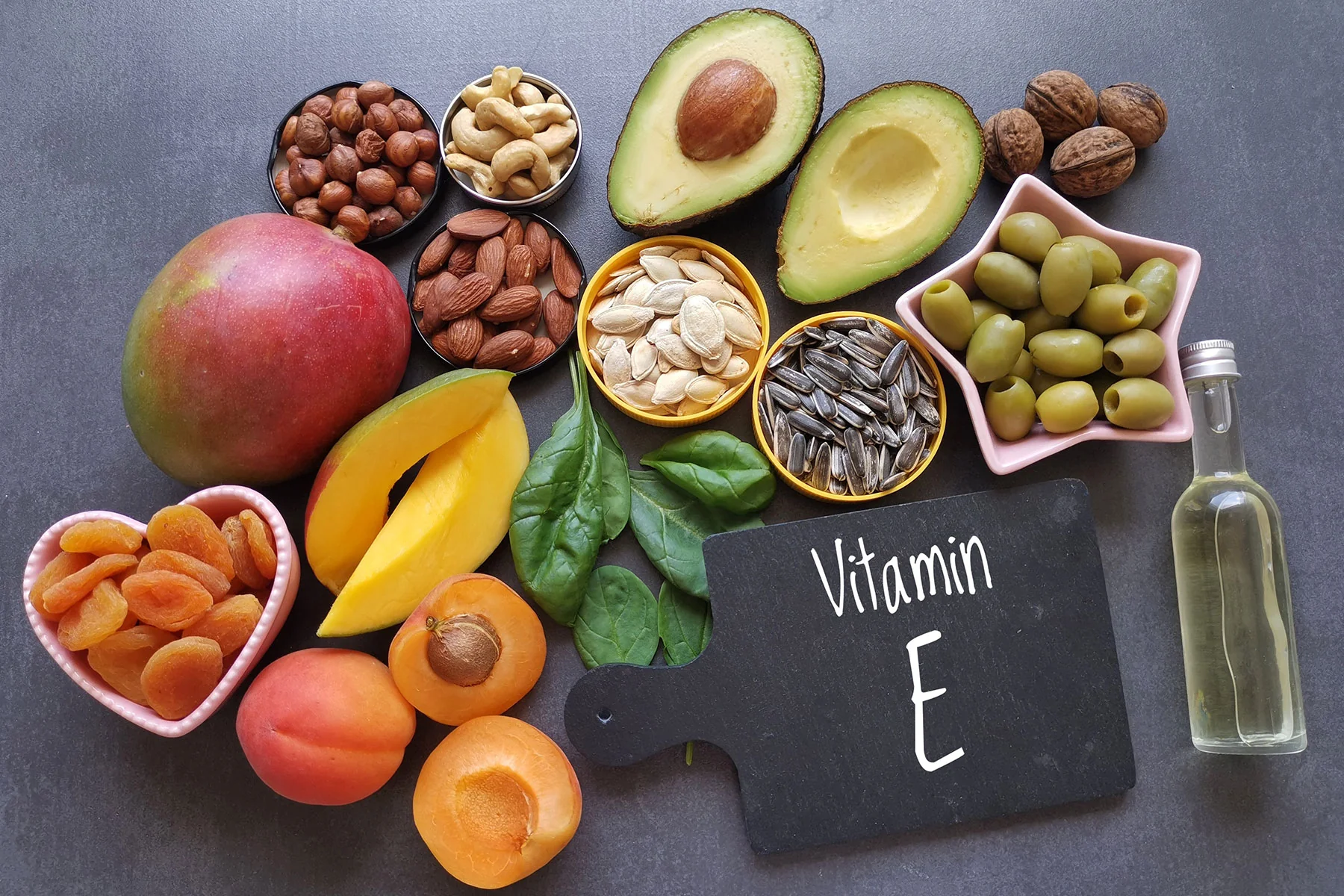
The following foods contain the highest levels of tocopherol:
- Vegetable oils (sunflower, olive, canola);
- various nuts and seeds;
- avocado;
- green leafy vegetables;
- whole grains.
In most cases, a varied diet is enough to provide the body with the necessary amount of this nutrient. However, it’s important to remember that excessive consumption of vitamin E supplements can be harmful, so high doses should only be taken under the advice of a physician.
Features of taking tocopherol
Many people wonder how to take vitamin E correctly and at what time for best absorption. There are several basic rules.
Taking with food
Since tocopherol is a fat-soluble vitamin, it is best absorbed with foods containing fat. Therefore, it is usually taken with the main meal.
What is the best time to take it?
It is generally taken with or immediately after meals. This improves absorption and reduces the risk of stomach discomfort.
Compatibility with other vitamins
Tocopherol is often taken with vitamins A, C, and selenium. These substances can enhance the body’s antioxidant defenses and help maintain cellular function.
Potential restrictions and safety precautions
Despite the benefits of vitamin E, it’s important to maintain a balance. Both deficiency and excess intake can affect well-being.
How deficiency can manifest itself
Antioxidant deficiency is relatively rare and is most often associated with impaired fat absorption or a long-term unbalanced diet.
This may manifest as the following symptoms:
- Increased fatigue;
- Dry and sensitive skin;
- Weakened immune system;
- Delayed recovery after physical exertion.
Possible Signs of Excessive Intake
Since this antioxidant is fat-soluble, it can accumulate in the body with prolonged use of high doses. The following reactions are possible:
- Digestive problems;
- headache;
- increased tendency to bleed;
- bruising without obvious cause.
High doses of vitamin E can affect blood clotting and interact with certain medications.