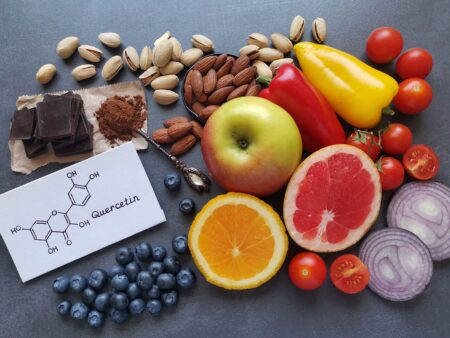
Leucine is an essential amino acid from the BCAA family. The body cannot synthesize this substance on its own, so it must be obtained from food or specialized dietary supplements. In this article, we’ll explore which foods contain the most leucine and why it’s so important to get enough.
Leucine: What is it and how does it work?
What is leucine used for? Its main functions are:
- Participates in the synthesis of muscle protein, which subsequently forms muscle fibers;
- Regulates energy metabolism using fat and glucose;
- Promotes rapid recovery after grueling workouts.
Leucine’s key feature is its ability to “kickstart” the muscle growth process by activating the mTOR signaling pathway.
Sport Life trainer’s comment:
“Leucine is actively used in sports because it triggers muscle growth. It initiates anabolic processes that help make the body more beautiful and toned.”
Properties of Leucine and its Benefits
Leucine is important in sports, but this amino acid is essential for everyone to maintain health. The benefits of consuming it in sufficient quantities include the following:
- Muscle growth is more active and noticeable;
- the effect of catabolism (the breakdown of muscle tissue after physical activity) is reduced;
- it is used as an energy source during intense physical exertion.
Leucine is also directly involved in regulating blood glucose levels. Therefore, to maintain normal metabolic balance, it’s essential to ensure your body receives sufficient amounts of this amino acid daily.
Which foods contain leucine?
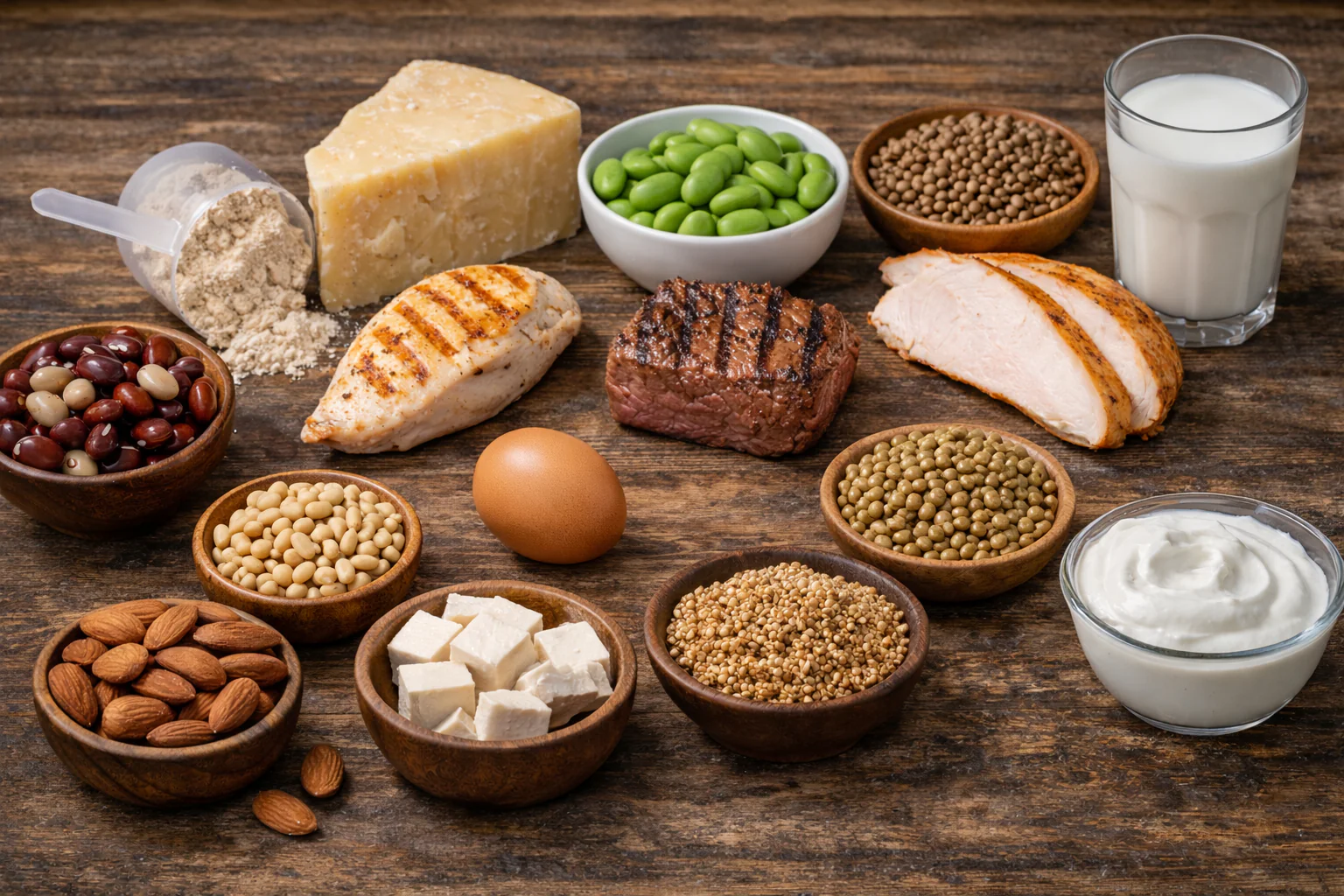
This amino acid is obtained exclusively from food. The following foods contain the highest levels of leucine:
- Chicken, beef, tuna;
- cheese (sour and hard), milk;
- lentils, beans, peanuts.
A balanced diet generally fully covers a person’s leucine requirements. However, if maintaining a balanced diet is difficult or if training for a competition is underway, sports nutrition supplements can be used.
Leucine in Sports and Bodybuilding
Leucine is one of the most sought-after nutrients in bodybuilding. It plays a crucial role in muscle growth and recovery after training. If an athlete’s body receives sufficient amounts of this amino acid, anabolic processes are enhanced, the effectiveness of protein nutrition is increased, adaptation to exercise is improved, and muscle regeneration is accelerated.
Leucine also indirectly affects endurance, reduces fatigue, and helps maintain energy balance. This helps maintain energy levels even after very intense training.
“Leucine is especially important for those who exercise regularly. But it’s important to remember that sports supplements only work when combined with a balanced diet and a proper training program.”
Does leucine help with weight loss?
Does leucine help with weight loss? Yes, because it maintains metabolic activity. It also helps preserve muscle mass during a calorie deficit. However, the amino acid itself does not “burn fat.” Leucine will only be beneficial if you maintain a healthy diet, control your calorie intake, and include physical activity in your daily routine. It also indirectly helps stabilize hormonal balance, which is crucial for weight loss.
How to take leucine correctly
The key to its effectiveness is taking the amino acid correctly. How should you take leucine? Here are some basic recommendations:
- Take 2 to 5 grams per day (depending on gender, weight, and training intensity). Athletes can increase the dosage to 10 grams for short periods.
- Take after workouts and between meals.
- Best combined with isoleucine and valine (in a 2:1:1 ratio with leucine).
It’s important to keep in mind that there are certain restrictions for taking sports nutrition supplements containing leucine. It’s important to ensure beforehand that including leucine in your diet won’t cause any harm to your health.
Contraindications and Potential Risks
Contraindications for leucine include individual intolerance, liver and kidney disease, and amino acid metabolism disorders. In these cases, it’s important to consult a doctor. An allergic reaction is possible, but extremely rare.
Excessive leucine consumption can lead to the following consequences: kidney failure and complex gastrointestinal (GI) disorders. It’s recommended to start taking the amino acid with the lowest possible dosage and then gradually increase it. It’s best to get most of your leucine from food, as its proper absorption requires regular protein and minerals.
However, it’s still important to incorporate physical activity into your daily routine. The best option is regular training under the guidance of an experienced trainer. The Sport Life sports complex has everything you need for strength training, fitness, relaxation, and recovery. You can sign up for training on the official website, where you can also purchase a membership with a great discount.
Leucine is one of the key amino acids for building muscle mass and maintaining energy balance. It plays a crucial role in sports and bodybuilding, but maximum effectiveness is achieved only when combined with proper nutrition, training, and a healthy activity and rest regimen.