Eating healthy doesn’t have to be complicated. With a simple weekly structure, you can save time, reduce stress, and build more consistent eating habits.
This 7 day healthy eating menu is designed to provide a balanced mix of protein, carbohydrates, healthy fats, and fiber using everyday ingredients. The goal is to help you create a realistic routine that supports energy, satiety, and overall well-being.
Why Use a Weekly Healthy Eating Plan?
A weekly meal plan can make a big difference in maintaining a healthy lifestyle. Instead of deciding what to eat every day, you follow a simple structure that helps reduce impulsive choices.
Benefits include:
- better consistency in food choices
- improved portion awareness
- easier grocery planning
- less reliance on processed foods
- more stable energy throughout the day
7 Day Healthy Eating Menu
Below is an example of a balanced weekly menu. You can adjust portions and ingredients based on your personal needs and preferences.
Monday
- Breakfast: Greek yogurt with berries
- Lunch: Quinoa salad with mixed vegetables
- Dinner: Salmon poke bowl
This day focuses on lean protein, fiber, and healthy fats to start the week with balanced meals.
Tuesday
- Breakfast: Oatmeal with nuts
- Lunch: Chicken Caesar wrap
- Snack: Apple slices with almond butter
Simple meals that are easy to prepare and provide long-lasting energy.
Wednesday
- Breakfast: Light yogurt or fruit option
- Lunch: Turkey and vegetable rice bowl
- Dinner: Lentil soup with whole grain bread
- Snack: A handful of walnuts
This combination includes both plant-based and animal protein sources.
Thursday
- Breakfast: Smoothie bowl
- Lunch: Vegetable stir-fry with brown rice
- Dinner: Greek yogurt or a light meal
A lighter day that still maintains nutritional balance.
Friday
- Breakfast: Yogurt parfait
- Lunch: Tuna salad sandwich
- Dinner: Light option such as fruit or popcorn
Designed for convenience while still supporting healthy choices.
Sunday
- Breakfast: Avocado toast with egg
- Lunch: Roasted chicken with vegetables
- Dinner: Fresh fruit salad
A more traditional and comforting meal structure.
How to Build Balanced Meals
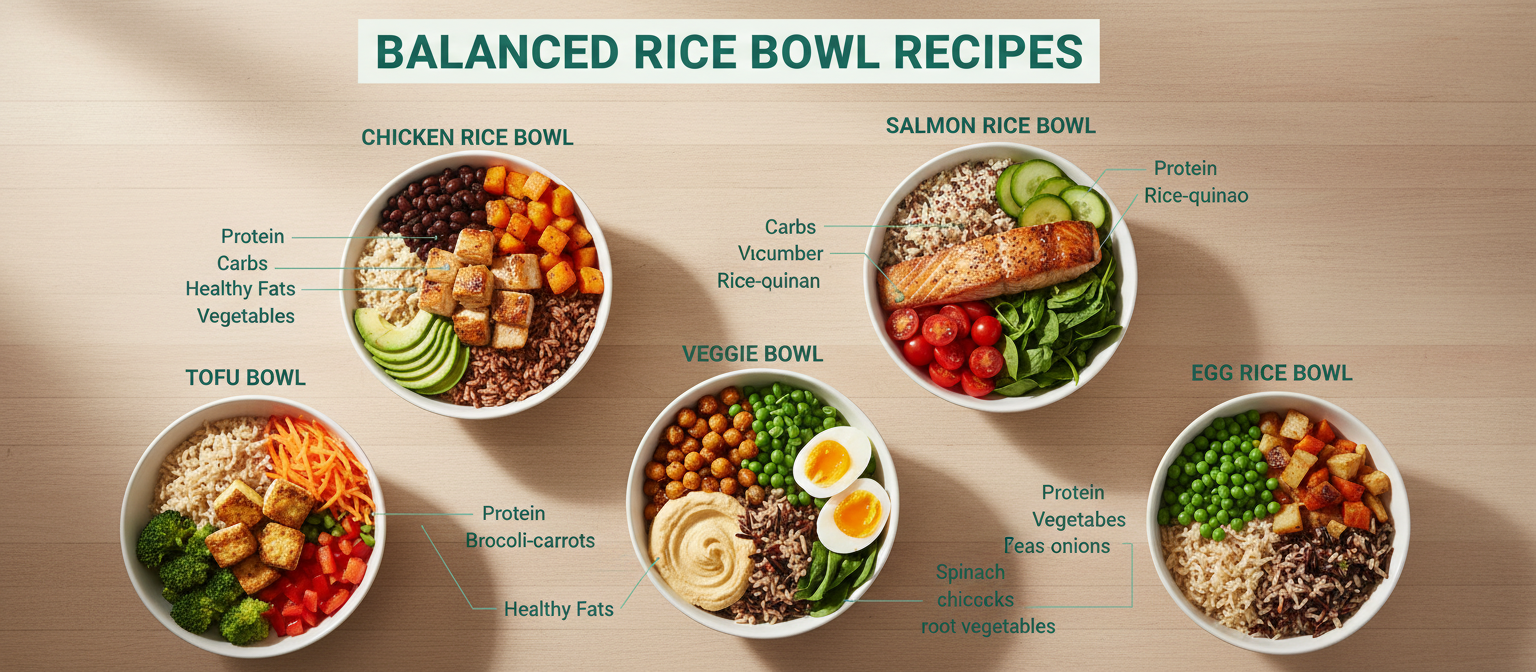
To create meals similar to this plan, aim to include:
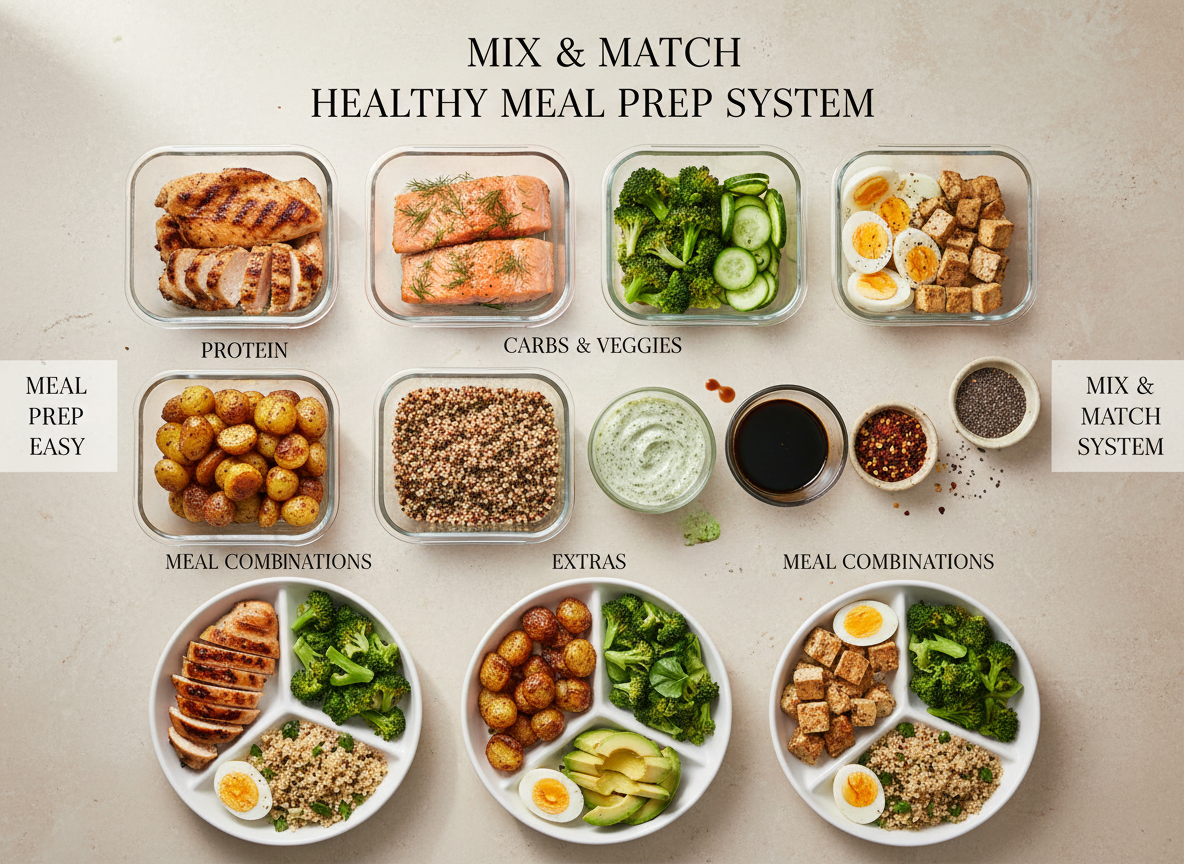
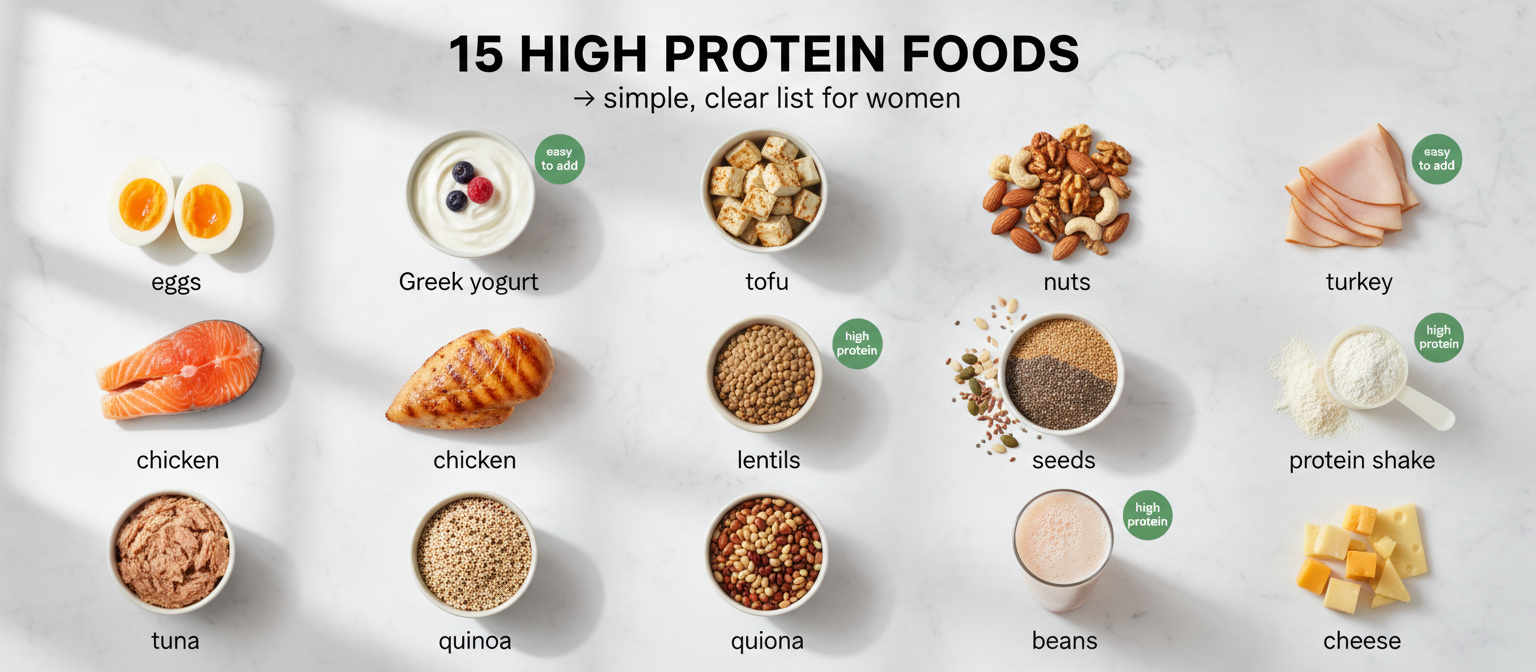
- Protein sources: eggs, chicken, fish, yogurt, tofu, legumes
- Carbohydrates: rice, quinoa, oats, whole grains
- Healthy fats: avocado, nuts, seeds, olive oil
- Fiber-rich foods: vegetables, fruits, beans
Combining these components can help improve satiety and support daily energy levels.
Practical Tips for Success
- Prepare key ingredients in advance (such as grains and proteins)
- Keep meals simple and repeatable
- Use seasonal and accessible ingredients
- Stay flexible — small adjustments are completely fine
Important Note
This meal plan is a general example and may not suit everyone’s individual dietary needs. If you have specific health conditions or nutritional goals, consider consulting a qualified professional for personalized guidance.
Final Thoughts
A structured weekly menu can make healthy eating more approachable and sustainable. By focusing on balanced meals and simple ingredients, you can create habits that are easier to maintain over time.