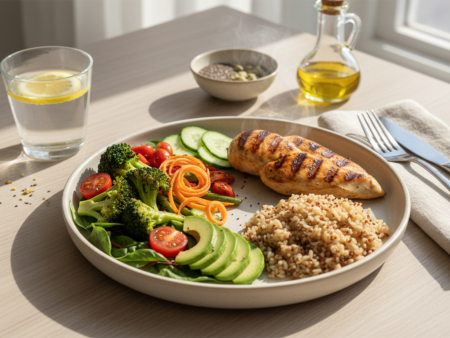
Following healthy eating principles is within everyone's reach. Read the guidelines below and use them as a basis for planning your meals—and you'll have taken the first step toward a healthy diet and lifestyle.
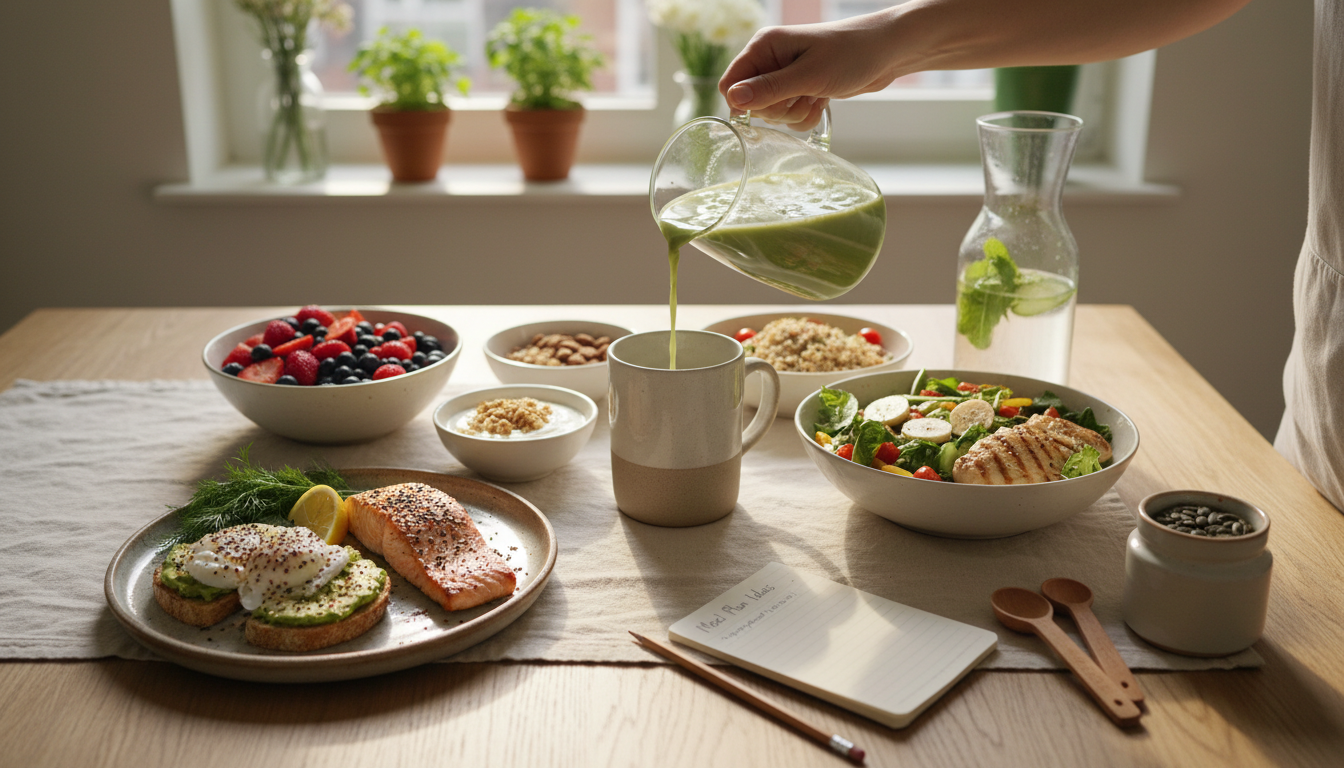
Be active – move more, sit less
Energy intake and expenditure must be balanced. To maintain a healthy metabolism and good health, it’s essential to move and reduce the amount of time spent sitting during the day, especially in front of screens.
Start your day with breakfast
Breakfast should be hearty enough to provide energy for the entire day. During the night, the body uses carbohydrate reserves stored in the liver, and these need to be replenished in the morning. Skipping breakfast causes the body to break down its own reserves, which can lead to decreased performance, such as decreased productivity, learning ability, and concentration. The carbohydrates we consume at breakfast are used immediately, and the body doesn’t store them as fat. Breakfast should be rich in slowly absorbed carbohydrates. Various cereals, especially whole grains, are good choices. Sandwiches are also suitable, and a small treat is perfectly acceptable for breakfast.
Eat regularly
Plan your day so that you have time to eat at least three times a day, regularly if possible, to avoid overeating caused by long gaps between meals. If needed, snack on fruits and vegetables, nuts and seeds, and yogurt between meals. For dental health, eating more than five times a day is not recommended. Remember that a cup of coffee, juice, or cookies consumed between meals also count as meals. Your last substantial meal depends on your bedtime, but generally, you should eat dinner no later than 6:00–7:00 PM. Avoid going to bed completely empty-handed; if necessary, have a small snack, such as a vegetable, no later than a couple of hours before bedtime.
More Fiber-Rich Foods
To ensure you get enough fiber for healthy digestion, eat a mixture of grains, fruits, vegetables, and berries. Reduce your consumption of white flour products and eat more whole grains, which are rich in fiber and more nutritious. Eat buckwheat and other grains, choose whole grains over regular pasta and rice, and use whole grain flour when baking. A good breakfast includes porridge and high-fiber whole grain cereals.
Eat at least 5 handfuls of fruits and vegetables per day
To avoid deficiencies in many essential vitamins and minerals, try to include fruits or vegetables at every meal. At lunch and dinner, vegetables should make up half your plate. Eat as many different fruits as possible to get a variety of nutrients. Vegetables should always be served with the main course—whether it’s a simple salad, steamed, boiled, or stewed. For dessert, eat fruits and berries. Although some berries provide small amounts of vitamins and minerals, for fruits and vegetables to help treat conditions like cardiovascular disease or prevent certain types of cancer, you should consume at least 500 grams per day.
Choose fish over meat
Fish should be on our menu 2-3 times a week, as it contains essential omega-3 fatty acids, which reduce the risk of common illnesses, such as cardiovascular disease. Fish is also an essential source of vitamin D, which in turn helps the body better absorb calcium, which promotes bone health. Eat both red and white fish, and limit canned, salted, and smoked fish, as they contain a lot of salt. Depending on the type of fish, you should eat at least 200 grams per week.
Consume fats wisely
Our bodies need fat, but in small amounts. Therefore, when cooking, choose steaming, boiling, stewing, or baking rather than frying in large amounts of fat. To reduce the saturated fatty acid content of foods, remove the skin (including chicken) before cooking, and trim off any visible fat and lard. Be mindful of hidden fats found in, for example, pies, baked goods, and processed meats. Use vegetable oil for cooking. Try to diversify your menu by adding nuts, almonds, and seeds. Don’t be afraid of fish oil!
Less Sugar
Added sugars are sugars added to foods by the food industry (e.g., candy, confectionery, soft drinks, juice drinks, cottage cheese spreads, yogurts, and some meat products), or added to food yourself during cooking (e.g., coffee, tea, or desserts). Some cups of yogurt can contain around 40 grams of sugar, and a 500 ml bottle of soft drink can contain more than 50 grams of added sugar. If you consume such products, avoid sugar and other sweets for the same day. Remember that soft drinks do not quench thirst. Water is the best thirst quencher. Instead of candy and cakes, eat fresh or dried fruit for dessert.
Less Salt
Most excess salt gets onto our plates unwittingly from canned and processed foods. In fact, we already get a significant amount of salt from everyday foods like bread, cheese, and ham. To reduce your salt intake, look for less salty alternatives among similar products and choose foods you prepare yourself from fresh ingredients rather than store-bought. When cooking, you can use herbs and other seasonings instead of salt. When serving prepared dishes, you can add a pinch of salt.
Quench your thirst with water
Water is essential for transporting nutrients and their residues, maintaining the proper functioning of digestive juices, and much more. Overall, an adult needs 28–35 ml of water per kilogram of body weight, or approximately 2–3 liters. If a person eats well, they get most of their fluids from food, such as fruits and vegetables, soups, and beverages. Adults should drink an additional 2–3 glasses of water per day, and even more in hot weather and if they exercise. The best drink is pure water.
Don’t overindulge in alcohol
The human body’s metabolism doesn’t require alcohol. When drinking, men should drink no more than four units of alcohol per day, and women no more than two units. One unit is equal to 10 grams of absolute alcohol. There should be at least three completely alcohol-free days each week. It’s also important to remember that, in addition to its other potential negative effects, alcohol in large quantities provides additional energy. For example, one unit of alcohol is approximately 4 cl of 40% ABV spirits or 12 cl of 12% wine; 0.5 liters of beer (5.2%) is two units of alcohol.
Appreciate food
Learn to cook your own food and do it slowly and with pleasure, or even better, in company. People who cook for themselves tend to eat healthier. Store-bought convenience foods, which can be quickly heated up and eaten, contain too much fat, sugar, and/or salt and are low in dietary fiber, vitamins, and minerals. Unhealthy eating is often a consequence of a comfortable and overly fast lifestyle. When you’re grabbing a quick snack from the fridge or eating in front of the TV, it’s easy to lose control of how much you eat.